
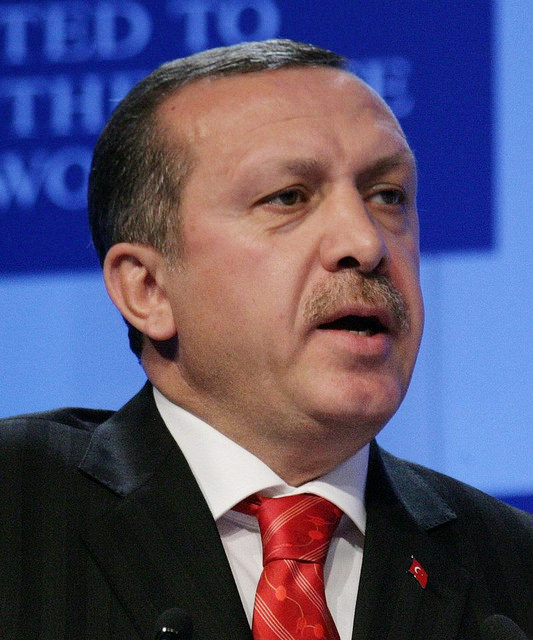
In 2013 the residents of Istanbul, Turkey, began a peaceful protest. The purpose was to prevent the government of Recep Tayyip Erdoğan from creating a business park in Istanbul, which would eliminate Gezi Park, the last green area inside of the city.
A small gathering of individuals dedicated to preventing the destruction of Gezi Park grew into a protest group of thousands. The diverse population of Istanbul joined together to defy the government and save a part of Istanbul treasured by the people.
But it was more than that. The residents of Turkey’s capital, Ankara, joined in the protests which became a rejection of Erdogan’s efforts to institute sharia law into the democratic nation. The protests continued for days in three cities, as pro-government forces began using water cannons and tear gas. When the protests eventually ended, Erdogan eased some of his restrictions, including displays of public affection and alcohol consumption.
Elections which gave Erdogan the presidency were highly contentious. Allegations of fraud in November of 2015 raised dissent by the people of the democratic nation.
Today the military has begun a coupe. They state that the reason is to guarantee that democracy is protected for the people of the nation.
Because outside communications have been virtually eliminated, the world is unsure about the facts of the situation inside of one of the most cultural and political diversified nations in the Middle East.
What we know is that Erdogan himself is not in the nation. He has called upon his supporters to move into the streets to protest against the military, an act he once deemed traitorous.
Turkey is a member of NATO, and how the members will decide to act is unknown at this time. This will ultimately become the decision of the people. If they choose to support the military, NATO will have no choice but to let the situation find its own solution.
Turkey is important in the battle against ISIS and Al Qaeda. Its air bases are paramount in the attacks against terrorist groups. Tension is high in our nation’s capital and within the governments of other countries who have dedicated themselves to defeating ISIS in the region.
The primary question is ‘why now?’ What inspired the leaders of the military to revolt today? Will those loyal to the present regime have both the numbers and the resolve to quash this coupe?
No one knows the mood of the people of Turkey. Shock, with the fact that outside communication has been stifled, eliminates the mood of the people.
It may be days until we know the truth, and understand what this means for the future of one of America’s allies in the region.
Op-Ed
By James Turnage
 The Truth With No Restrictions